

















Logo

Rainwater Harvesting

Save Water · Save Money · Save Earth

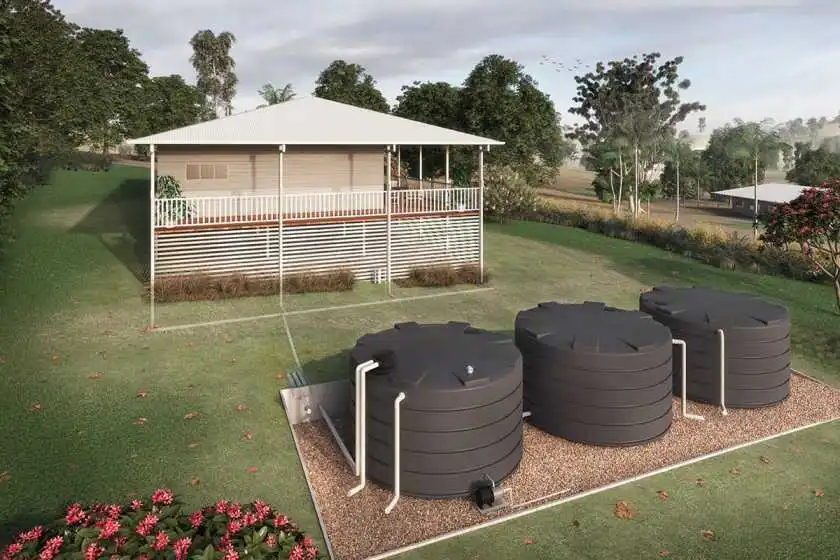
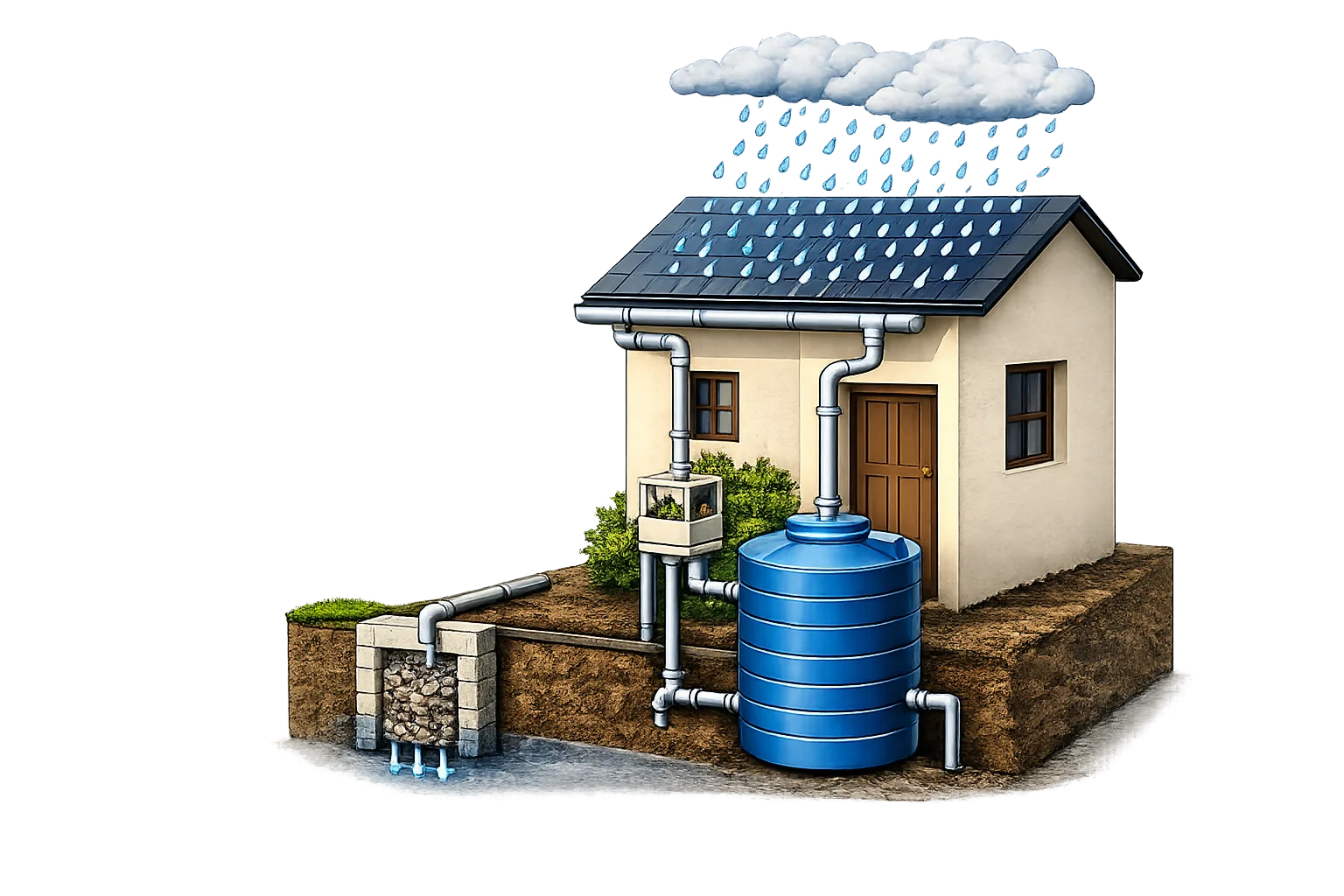
Save Water · Save Money · Save Earth Rainwater Harvesting is the simple process of collecting and storing rainwater for future use. It is an effective way to conserve water, reduce runoff, recharge groundwater and protect the environment.

How It Works

Collection

Rain falls on the roof and is collected.

Conveyance

Water flows through gutters and pipes to the filter.

Filtration

Impurities are removed through a filter.

Storage

Clean rainwater is stored in a tank for later use.

Use / Recharge

Stored water is used, or excess is recharged into the ground.

Benefits

Water Security

Provides an additional source of water

Cost Effective

Reduces water bills and pumping costs

Groundwater Recharge

Helps in restoring and raising the groundwater level

Reduces Flooding

Reduces storm water runoff and soil erosion

Environment Friendly

Promotes sustainable water management

Uses of Harvested Rainwater

Flushing

Laundry

Gardening

Car Washing
House Cleaning

Industrial Use

Groundwater Recharge

Typical System Components

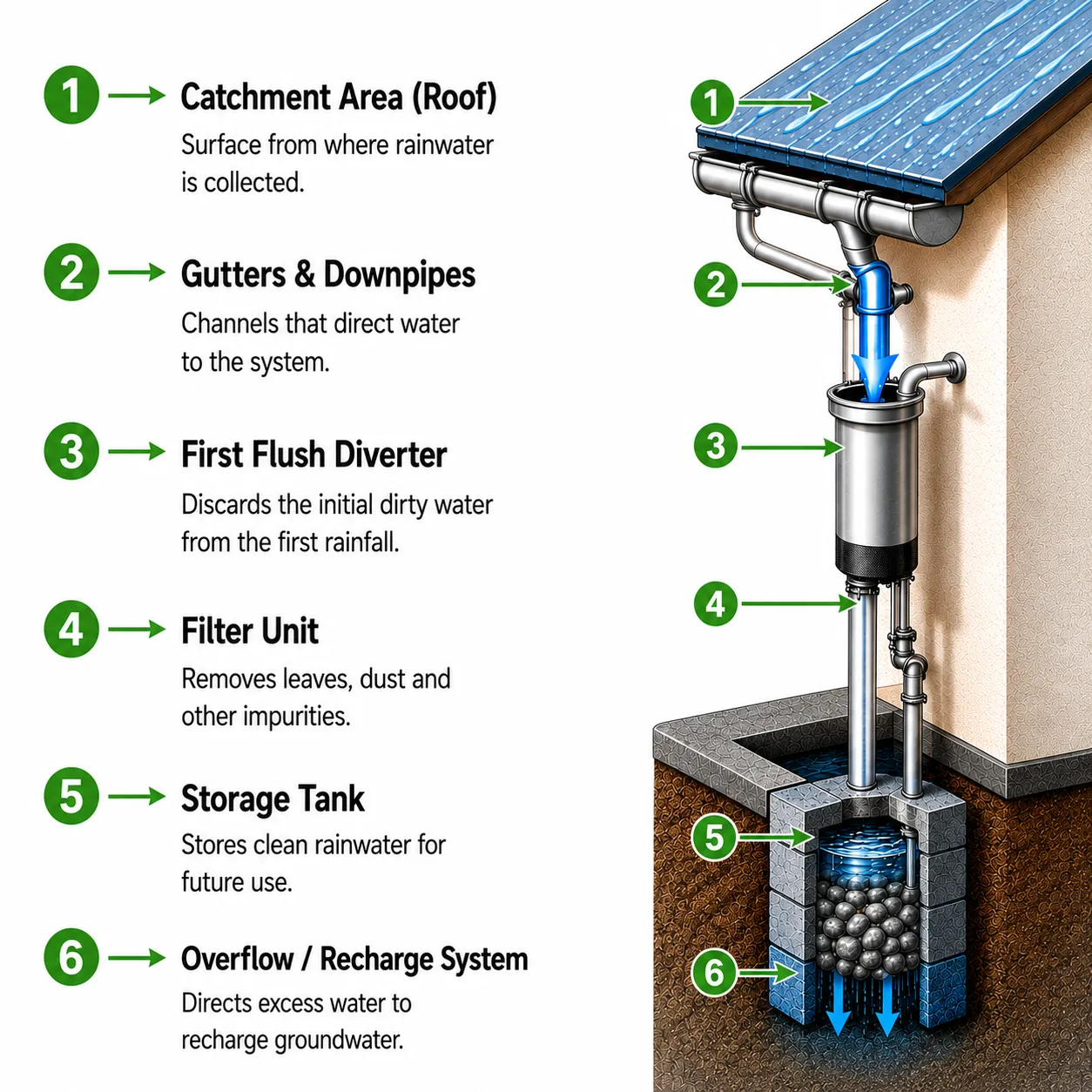
  1. Catchment Area (Roof): Surface from where rainwater is collected.
  2. Gutters & Downpipes: Channels that direct water to the system.
  3. First Flush Diverter: Discards the initial dirty water from the first rainfall.
  4. Filter Unit: Removes leaves, dust and other impurities.
  5. Storage Tank: Stores clean rainwater for future use.
  6. Overflow / Recharge System: Directs excess water to recharge groundwater.

Guidelines for Best Practices

DO'S
  • Keep roof and gutters clean.
  • Clean the filter regularly.
  • Dispose of first flush water.
  • Check pipes and tank periodically.
  • Use harvested water wisely.
 
DON'TS
  • Do not drink untreated rainwater.
  • Do not let dirty water enter the system.
  • Do not cover overflow or recharge outlet.
  • Do not waste stored rainwater.